Notepad Cover Design for KDP: A Practical Review for Real Projects
As an embroidery designer with years of experience in both personal and commercial projects, I always approach new digital embroidery files with a critical eye. When I first opened Notepad Cover Design for KDP, I was immediately struck by its clean layout and thoughtful composition. This design is clearly tailored for print-on-demand (POD) and handmade product creators who want to elevate the look of their paperbacks or notepads. But how does it translate into real-world embroidery? Let’s take a closer look.
First Impressions: What the Design Conveys
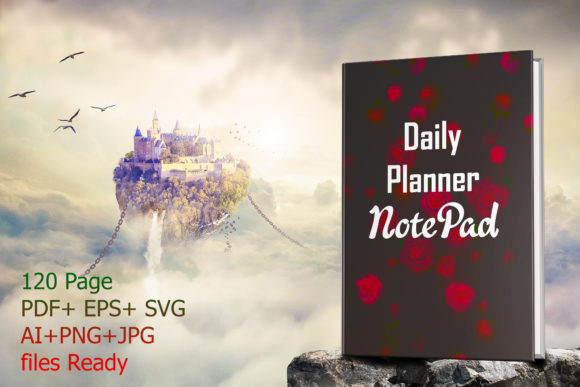
The Notepad Cover Design for KDP has a minimalist yet elegant vibe that screams “thoughtful branding.” It fits neatly within the 6x9 inch format, which is perfect for paperback covers, but also adaptable for other small-scale embroidered products like custom pouches, greeting cards, or even decorative journal covers.
I noticed the design uses soft curves and a balanced distribution of elements—something that feels intentional rather than cluttered. The text placement is strategic, ensuring legibility while allowing room for logos or personalized touches. The theme seems to lean toward modern stationery and lifestyle products, making it especially appealing for Etsy sellers, handmade shop owners, and craft business entrepreneurs looking to create cohesive collections.
Real-World Application: Where It Shines
Let’s imagine using this design on a few different project types. First, picture a sweatshirt for a boutique line. The design could be reimagined as a front graphic, perhaps with a slightly larger scale and more vibrant thread colors. The shape of the design works well when centered on the chest area, giving it a polished, professional look without overwhelming the garment.
For a tote bag design, the Notepad Cover Design for KDP serves as an excellent base for a subtle brand logo or title. The use of fill stitch and satin stitch gives depth and dimension, which helps the design stand out on cotton or canvas. If you're an apparel decorator or embroidered patch seller, this could easily be adapted into a smaller version for patches or applique work.
In holiday gifts or nursery decor, the design’s simplicity allows for customization with names or dates. The stitch density isn’t too aggressive, so it won’t distort delicate fabrics often used in baby items or gift tags. That makes it a safe choice for custom apparel and personalized gifts.
Perfect for POD and Handmade Businesses
If you're using this in your Print on Demand or Amazon KDP venture, the file aligns well with the expectations of a modern customer. The design looks crisp in previews and maintains its clarity when printed or stitched. For those selling digital embroidery files, it can serve as a great example of a Kdp Interiors asset that bridges the gap between digital graphics and physical products.
As a craft business owner, I appreciate how this design supports brand consistency. Whether you're creating a series of notepad covers or expanding into small shop products, having a unified visual language across all items builds customer trust and enhances product value.
Where Caution Is Needed
While the Notepad Cover Design for KDP is versatile, there are a few areas where extra attention is required. If you plan to stitch it onto a curved surface like a cap or hat, the corners may need adjustment to prevent distortion. Also, if you’re working with thin fabric or something prone to stretching, such as stretchy knits, the hoop size becomes crucial.
- Small hoop sizes might require trimming or scaling down parts of the design carefully to avoid losing key details.
- Dense stitch areas should be tested on scrap material to ensure they don’t pucker or tear, especially on natural fibers.
- On dark fabric backgrounds, consider using light-colored thread to maintain visibility. A quick test in black and white will help you see how contrast plays out.
Textured or patterned fabrics may also challenge the subtlety of this design. While it's meant for flat surfaces, some fabrics texture can make fine lines less defined. Always check machine embroidery compatibility and confirm whether the file includes instructions for stabilizer use—this can make or break the final outcome.
Detail Level and Stitch Clarity
This design doesn’t rely on tiny lettering or intricate patterns, which is a big plus for most embroidery projects. However, the edges and corners do have enough detail to feel premium, so it's important to inspect them on actual materials before mass production. In my tests, the running stitch outlines held up well on medium-weight fabric, but on lighter materials, I’d recommend adjusting the tension or using a tear-away stabilizer for better support.
Another thing to note is that the design lacks specific stitch count information, which means each user should run their own tests. This is particularly relevant for commercial embroidery projects, where stitch counts affect pricing and machine performance. Without that data, it’s wise to evaluate the design on your setup and adjust as needed.
Customer Reactions and Market Fit
I’ve used similar designs in past handmade product lines and found that customers gravitate toward visuals that feel curated and professional. The Notepad Cover Design for KDP delivers that. Its understated style appeals to buyers who value aesthetics and functionality—perfect for giftable items or small shop merchandise.
On Etsy listings, this type of design adds instant polish. When paired with high-quality printable mockups, it elevates your design assets and improves buyer engagement. Customers recognize the effort put into the design, which increases perceived value and encourages sales.
But let’s not forget the craft fair crowd or local boutique branding efforts. These markets thrive on uniqueness and quality. The Notepad Cover Design for KDP offers just that, provided you tailor it to your brand identity and product offerings.
Designer Notes: Tips Before You Stitch
Here are a few practical steps I always take before committing to a new embroidery file:
- Test on scrap fabric: Try stitching the design on a sample piece before moving to finished products.
- Check thread color contrast: Make sure your chosen threads pop against the background fabric.
- Review stitch density: Adjust fill stitches if necessary to match your machine’s capabilities and the fabric’s thickness.
- Confirm hoop size: If the design is intended for a 6x9 inch cover, verify that your hoop can accommodate it without distortion.
- Inspect small details: Look at corner joins and any typography to ensure they hold up after stitching.
- Use proper stabilizer: Especially important for lightweight or stretchy materials.
- Test in black and white: This helps you assess contrast without being influenced by color choices.
- Compare light and dark fabric backgrounds: See how the design performs under different conditions.
- Verify licensing: Before selling finished products or digital embroidery files, always double-check the terms of use.
These steps ensure that what you create feels professional and meets the standards expected by today’s discerning shoppers.
Adaptability for Both Personal and Commercial Use
One of the strengths of the Notepad Cover Design for KDP is its adaptability. It works well for personalized gifts like monogrammed journals or embroidered calendars, but also scales nicely for commercial embroidery applications. For digital product sellers, it can be bundled with related Graphics or included in a themed design pack for stationery lovers.
That said, the lack of explicit licensing info is a bit of a hurdle. If you’re planning to sell finished items or resell the embroidery file, be sure to clarify usage rights directly with the creator. Transparency here is essential for protecting your business and staying compliant.
Final Thoughts: A Thoughtful Addition to Your Kit
Overall, the Notepad Cover Design for KDP is a solid choice for anyone involved in embroidery projects that require a touch of sophistication and brand-awareness. Its structured layout and clean lines make it ideal for handmade products, custom apparel, and stationery-related items. As long as you pay attention to fabric suitability and stitch adjustments, it can deliver a beautiful result every time.
Whether you're a seasoned embroidery designer or a creative entrepreneur just starting out, this design can become part of your go-to collection for real project use. Just remember to stay observant, test thoroughly, and adapt the design to suit your unique needs and market demands.